Multi-City Flights vs Separate Tickets
By FareLume Editorial Team · · 3 min read
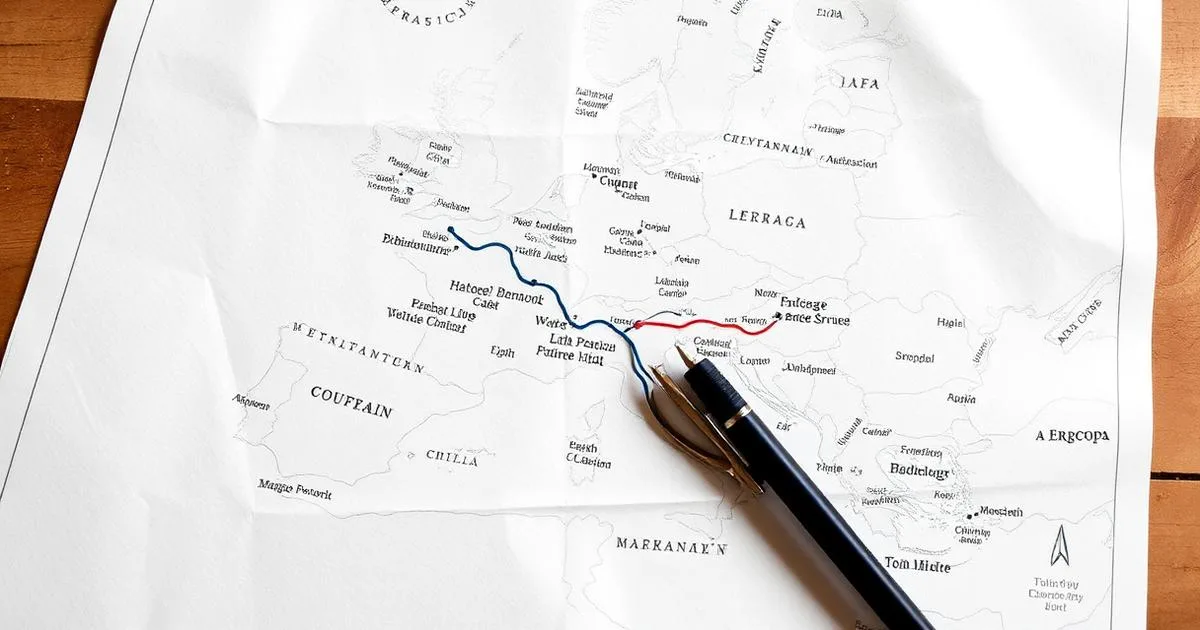
Planning a trip through several cities raises a question with real consequences: book it as one multi-city itinerary, or buy separate tickets for each leg? The price difference is only half the story. The other half is what happens when something goes wrong.
How each option is priced
A multi-city booking is a single contract with one airline or alliance, priced under fare rules that cover the whole journey. On long-haul network carriers this can work out well, especially for open-jaw trips where you fly into one city and out of another.
Separate tickets are individual purchases, which lets you mix airlines freely. On short-haul routes served by low-cost carriers, this is frequently the cheaper approach and sometimes the only one, since those airlines rarely appear in combined itineraries.
Where the risk sits
This is the decisive point. On one ticket, if a delay causes you to miss a later leg, the airline is responsible for rebooking you. On separate tickets, a missed connection is your problem and your cost, and the second airline has no obligation to help.
That difference does not matter much between two stays several days apart. It matters enormously when two flights are chained together on the same day.
Practical rules for multi-stop trips
- Build in a generous buffer whenever separate tickets connect on the same day, ideally an overnight stop.
- Check whether baggage is through-checked. On separate tickets it usually is not, which means collecting bags and checking in again.
- Confirm visa or transit requirements for any country you pass through.
- Watch baggage allowances, which can differ on every leg when you mix carriers.
- Keep all confirmations accessible offline.
Open-jaw trips
Flying into one city and out of another is often cheaper than you would expect and saves backtracking. Most airlines handle this as a standard multi-destination booking, and it is worth comparing against two one-way tickets before you decide.
How to compare fairly
- Price the whole trip as a multi-destination itinerary where the tools allow it.
- Price each leg separately and add the totals.
- Add baggage for every leg on both approaches.
- Add any extra accommodation nights that a buffer requires.
- Decide whether the saving justifies carrying the connection risk yourself.
Often the separate tickets are cheaper on paper and roughly equal once buffers and bags are counted. When that happens, take the single booking for the protection it provides.
Related reading
The comparison of direct and connecting flights covers layover planning in more depth, and the guide to one-way versus return pricing explains why mixing airlines can pay off.
Price the legs with FareLume
FareLume handles one-way and return searches for worldwide routes in your chosen currency, which makes pricing each leg of a multi-stop trip straightforward. Four pounds ninety-nine per week, thirty comparisons, cancel anytime.
Compare real fares with FareLume
Live worldwide flight comparison in your chosen currency, sorted by total price. FareLume Pro is £4.99 billed weekly with 30 flight comparisons per subscription week, and you can cancel anytime online.